
The Midden
Imanaylla!
Howdy there! My name is Blitz. As a demisexual bisexual two-spirit butch xenan (chawpin yuquchu iskaypura yuquy qariwarmi qarihina wakllan), I feel my gender is constantly fluctuating. This midden serves as a place for that modality.


Ayamanka
/ajamanka/
nounAyamanka (from Quechua aya “spirit / soul of the dead, corpse” + manka “pot”) is a gender identity where one feels they are a vessel imbued by their ancestors’ hands, and the things they do echo their forebears. It is linked to ancestor worship, past lives, otherkinity, handmade objects, ghosts, and possession.
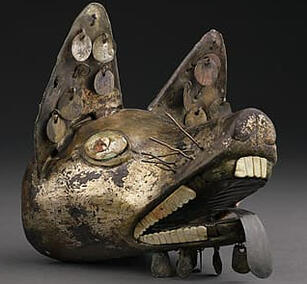
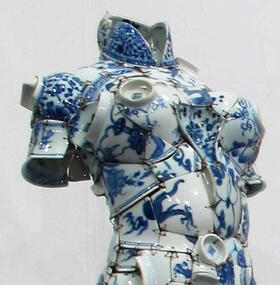
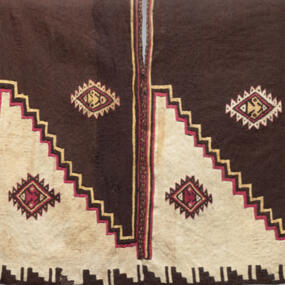
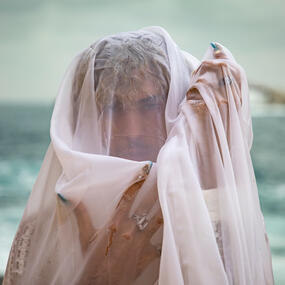
1. Moche Metalworkers. (100-800). Headdress in the form of a fox's head [Frontlet]. Museo Oro del Péru, Lima, Peru.2. Xiaofeng, L. (2012). Whirling [Sculpture]. Red Gate Gallery, Beijing, China.3. Coastal Andean Weavers. (1400-1540). Tunic with stepped triangles and birds in
medallions [Unku]. Dallas Museum of Art, Texas, United States.4. Rolyn, J. (2023). Worthless Photoshoot [Photograph]. Unsplash. https://unsplash.com/photos/a-woman-with-a-veil-on-her-head-standing-in-front-of-the-ocean-k7fHagBimBA
Quyllurhina
/qujʎuɾhina/
nounQuyllurhina (from Quechua quyllur “star”, hina “like or as”) is a community-based gender identity derived from the feeling that the people around you view you as a source of light, another sun; crackling with energy, warm like a fire. It is connected to spontaneity, youthfulness, distance, and luminosity.
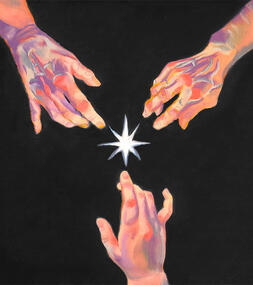
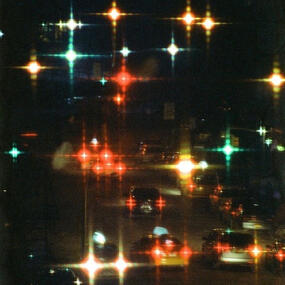
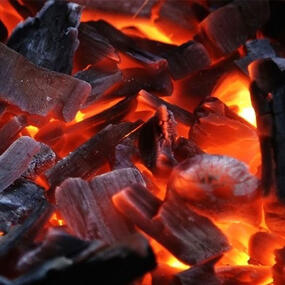
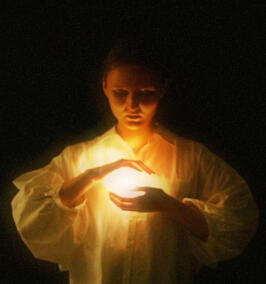
1. Ross, C. (2021). Finding Comfort [Painting]. Twitter. https://twitter.com/cai__ro/status/13523799377143971842. Scheynius, L. (2014/2015). New York Winter [Photograph]. Tumblr. https://www.tumblr.com/linascheyniusdiary-blog/1583989817383. Unknown. (2015). Suitable Firewood [Photograph]. Koolinar. https://www.koolinar.ru/article/show/67/6-slagaemyh-idealnogo-shashlyka4. Unknown. (2024). Double Light Source Reference [Photograph]. Pinterest. https://ar.pinterest.com/pin/956522408342052812/